
Hard Water Stains on Windows: The North Texas Problem
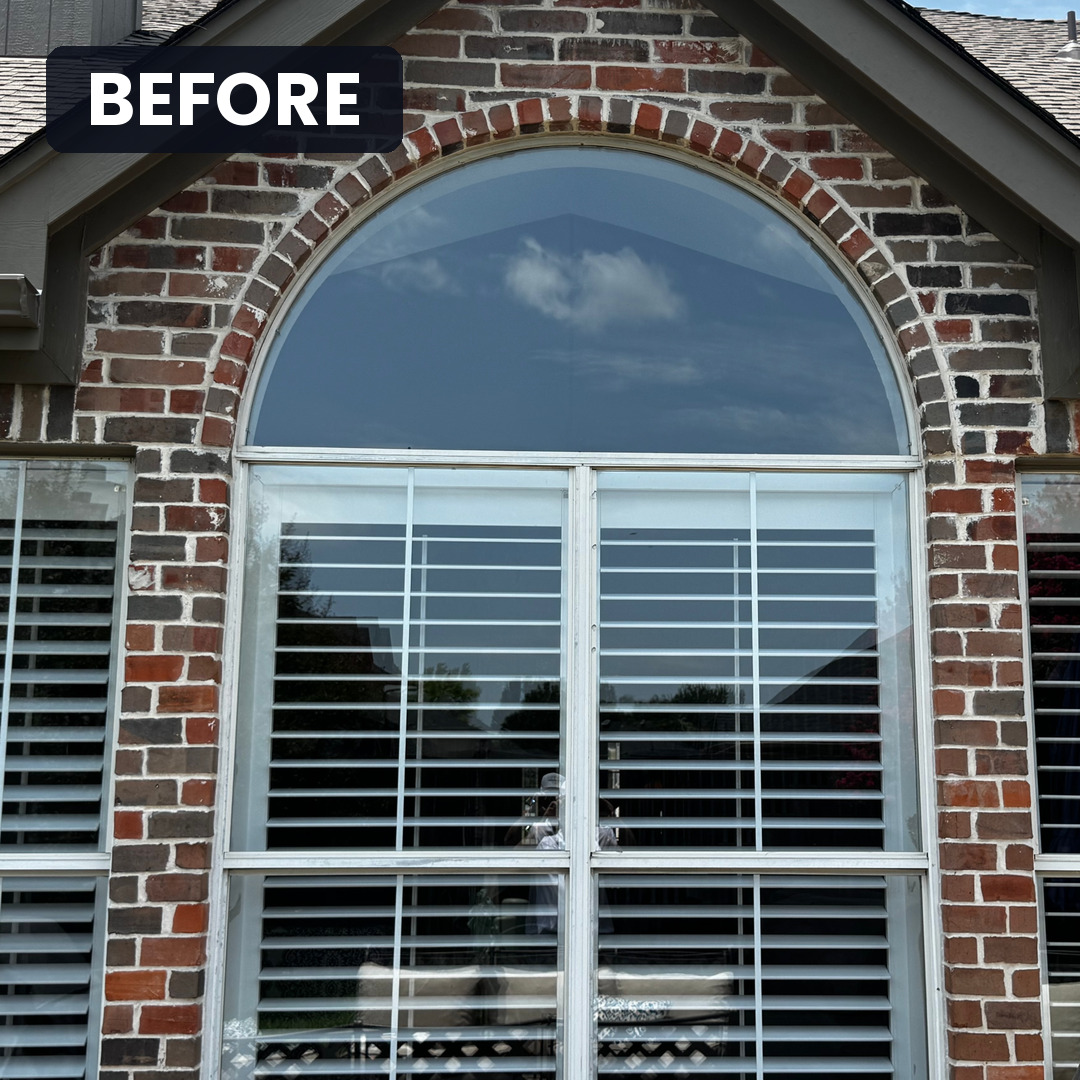
If you've noticed a hazy white film on your windows that doesn't come off with a standard cleaning, you're not imagining things. Hard water stains are one of the most persistent and misunderstood window problems in the DFW area — and North Texas water is part of why.What Causes Hard Water Stains on WindowsFort Worth and the surrounding Tarrant County area draw water from lakes and reservoirs that carry naturally high levels of calcium, magnesium, and silica. When that water hits your glass — from sprinklers, rain runoff, or even a hose — the water evaporates and leaves the minerals behind. Over time, those mineral deposits bond chemically with the glass surface, creating that etched, foggy look that won't wipe away.Homeowners in Mansfield, Colleyville, and North Richland Hills deal with this constantly, especially on windows near irrigation systems or ground-floor panes that catch lawn spray. Commercial buildings in Fort Worth with exterior spigot drainage or A/C condensation runoff are equally vulnerable.Why DIY Attempts Usually FailThe instinct is to reach for vinegar or lemon juice — and for very fresh, light deposits, that can work. But established hard water stains have silicate bonds that household acids can't break. What usually happens: the acid loosens the top layer, you scrub, you scratch the glass, and you still have the stain underneath.Store-bought hard water removers are hit or miss. Many are formulated for bathroom tile, not window glass, and the abrasives they contain can create micro-scratches that make glass look worse over time.The other mistake is waiting. Every dry-wet cycle builds another layer. A stain that costs $80 to remove today may cost $400 in 18 months when the glass requires a professional-grade polishing compound.